If there’s one skincare habit that dermatologists and aesthetic practitioners universally agree on, it’s this: daily sun protection is essential. In Australia, where we experience some of the highest UV levels in the world, protecting your skin from the sun isn’t just about preventing sunburn it’s about preserving your skin’s health, preventing premature ageing, and protecting your investment in aesthetic treatments.
Understanding UV Radiation
The sun emits different types of ultraviolet radiation, and understanding them helps explain why protection is so important:
UVA Rays
UVA rays penetrate deep into the dermis, the skin’s thickest layer. They’re present year-round, can penetrate clouds and glass, and are primarily responsible for premature ageing. UVA exposure breaks down collagen and elastin, leading to wrinkles, sagging, and loss of firmness.
UVB Rays
UVB rays affect the outer layer of skin and are the primary cause of sunburn. They’re strongest during summer months and midday hours. UVB rays damage the skin’s DNA and are the main cause of skin cancers.
The Impact of Sun Damage
Unprotected sun exposure has both immediate and long-term consequences:
Premature Ageing (Photoageing)
Up to 90% of visible skin ageing is caused by sun exposure. Signs of photoageing include:
Fine lines and deep wrinkles
Loss of skin elasticity and firmness
Rough, uneven texture
Pigmentation and age spots
Broken capillaries
Dull, sallow complexion
Skin Cancer Risk
Australia has one of the highest rates of skin cancer in the world. UV exposure is the primary risk factor for melanoma and non-melanoma skin cancers. Regular sun protection significantly reduces this risk.
Compromised Treatment Results
If you’ve invested in aesthetic treatments, sun exposure can undermine your results. Treatments that stimulate collagen production, address pigmentation, or improve skin texture can all be compromised by unprotected sun exposure.
Choosing the Right Sun Protection
SPF Rating
We recommend using a broad-spectrum sunscreen with at least SPF 30 for daily use, and SPF 50+ for extended outdoor activities. “Broad-spectrum” means the product protects against both UVA and UVB rays.
Types of Sunscreen
There are two main types of sunscreen:
Physical (mineral) sunscreens: Contain zinc oxide or titanium dioxide, which sit on the skin’s surface and reflect UV rays. They’re generally well-tolerated by sensitive skin and provide immediate protection.
Chemical sunscreens: Contain organic compounds that absorb UV rays and convert them to heat. They tend to be lighter and more cosmetically elegant but require 20 minutes to become effective.
Application Tips
Apply sunscreen as the last step of your skincare routine, before makeup
Use approximately half a teaspoon for your face and neck
Reapply every two hours, or more frequently if swimming or sweating
Don’t forget often-missed areas: ears, hairline, back of neck, and hands
Apply sunscreen even on cloudy days up to 80% of UV rays penetrate clouds
Beyond Sunscreen
While sunscreen is essential, comprehensive sun protection includes:
Seeking shade: Especially during peak UV hours (10am–4pm)
Wearing protective clothing: Long sleeves, wide-brimmed hats, and UV-protective sunglasses
Being aware of reflection: Water, sand, and concrete can reflect UV rays, increasing exposure
Checking the UV index: Plan outdoor activities when UV levels are lower
Sun Protection After Aesthetic Treatments
After many aesthetic treatments, your skin is more vulnerable to sun damage. This is particularly important after:
Chemical peels
Laser treatments
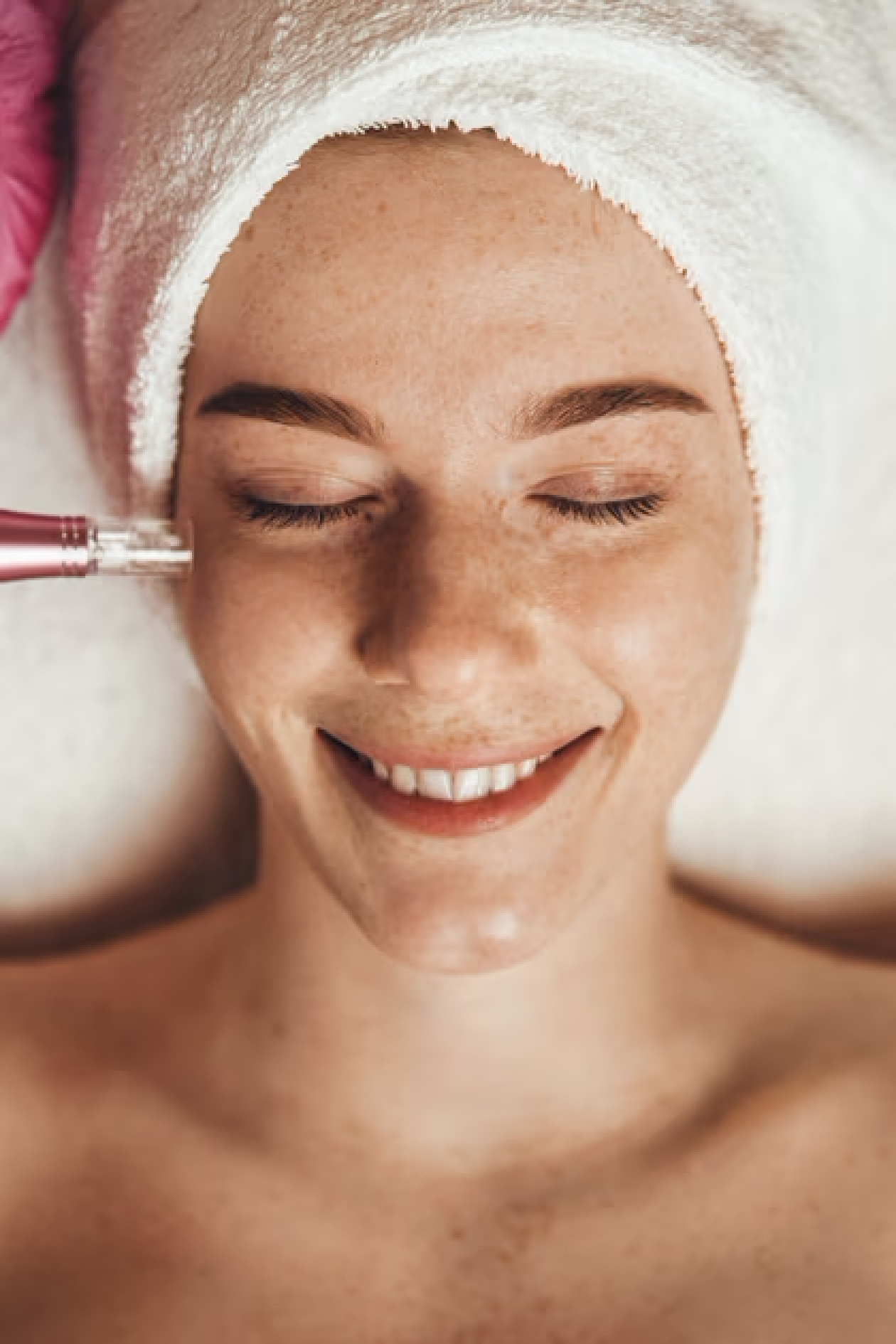
Microneedling
IPL treatments
Any treatment targeting pigmentation
During the healing period, strict sun avoidance is crucial. We’ll provide specific post-treatment instructions, but as a general rule, be extra vigilant about sun protection for at least two weeks following any skin treatment.
Making Sun Protection a Habit
The key to effective sun protection is consistency. Make it part of your daily routine:
Keep sunscreen next to your toothbrush as a reminder
Choose a formula you enjoy using you’re more likely to apply it consistently
Consider tinted sunscreens that double as light coverage
Keep a sunscreen in your bag for reapplication
Set reminders on your phone to reapply throughout the day
Need Skincare Recommendations?
Book a consultation and we can recommend the best sun protection products for your skin type and lifestyle.